
How to Buy a Used Accordion: What to Check Before You Pay
Before you pay, check the bellows hold air (with no keys pressed they should barely move), play every key and button on both push and pull, make sure nothing sticks, and compare a few notes with a tuner. Old accordions can need repairs that cost more than the instrument, so a low price on its own doesn't make a bargain.
You're probably here because you found a charming old accordion on Facebook Marketplace. Pearl keys, a bit of sparkle on the grille, maybe a name on the front you've never heard of. And you're thinking: it's only a hundred bucks, it looks adorable, and surely it's worth at least that much.
We hate to be the ones to say it, but more often than not, it isn't. Not because the seller is trying to trick you, but because of where that accordion has probably spent the last fifty years.
That said, some of these finds really are bargains. This guide will help you tell which one you're looking at, in about fifteen minutes, before any money changes hands.
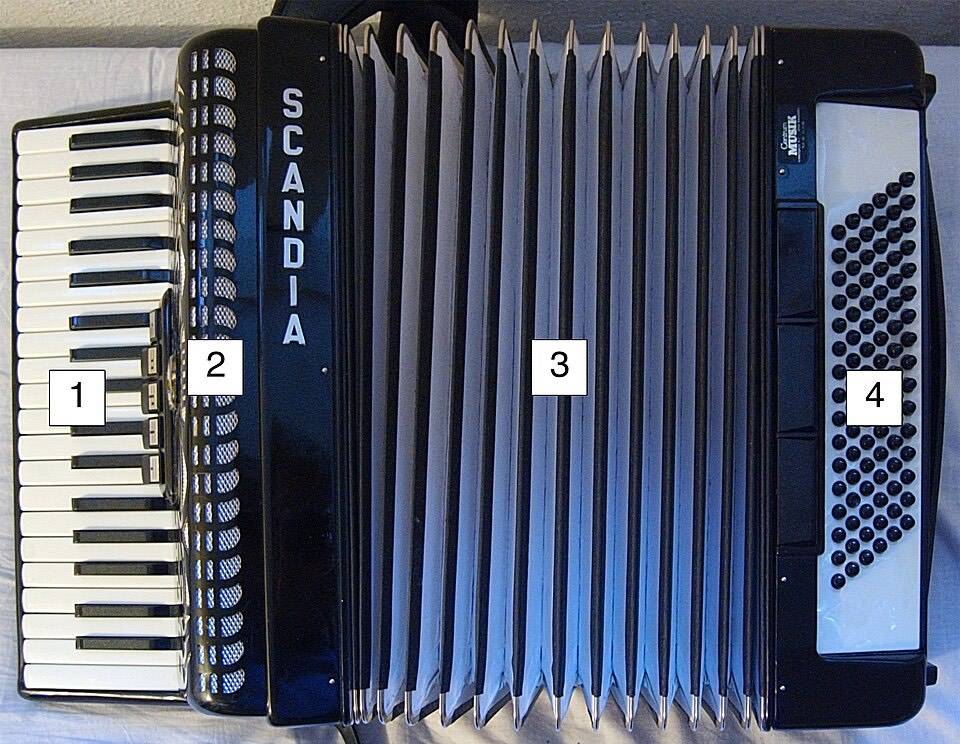
Why there are so many old accordions out there
In the 1950s the accordion was one of the most popular instruments in America. Accordion studios were in towns everywhere, accordion bands played at weddings and dances, and accordionists were regulars on television. A lot of families bought one for a child, often as part of a package with a course of lessons. Factories in Italy, Germany and the US turned them out in huge numbers to keep up.
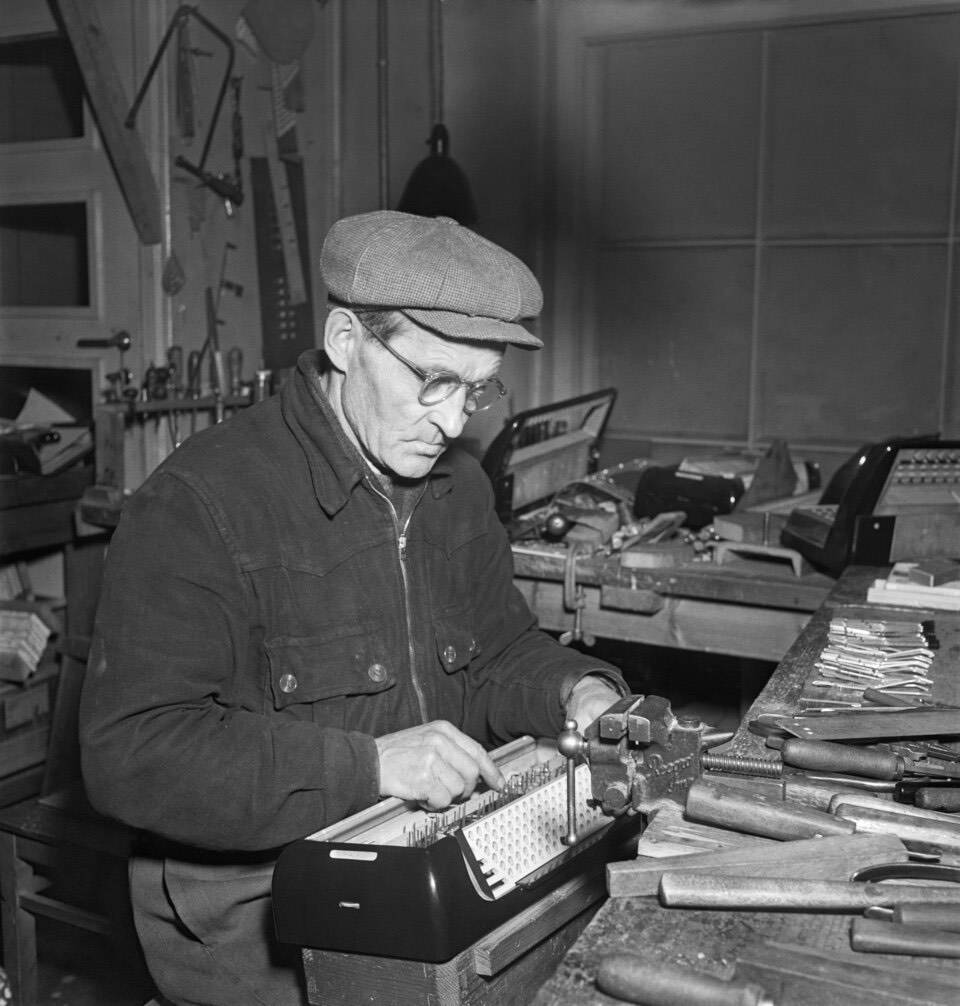
Then, in the 1960s, the guitar took over. The lessons stopped, and millions of accordions went into closets, basements and attics, where many of them stayed for decades. Those are the accordions showing up online today, usually when someone is clearing out a parent's or grandparent's house.
What decades in an attic does to an accordion
An accordion is a box of wood, leather, felt, cardboard and wax, and almost all of those materials age badly in heat, cold and damp. After years in storage, these are the usual problems:
- Dried-out reed wax. The reeds are held in place with beeswax. Over time it hardens and cracks, especially after hot summers in an attic, and reeds work loose, buzz or stop sounding.
- Curled valve leathers. Small leather flaps sit over every reed. As they dry they curl, and the notes start to wheeze, leak or take a moment to speak.
- Tired bellows. The folds crack at the corners, and the gaskets where the bellows meet the body shrink, so the instrument leaks air.
- Rust and mould. Damp rusts the steel reeds and grows mould in the bellows and on the felts. You can often smell it.
- Moths and mice. Both like felt and leather, and both find accordions.
- Sticky keys and buttons. Felts compress, pads harden and the mechanism sticks or clicks.
Golden-age gems and student models
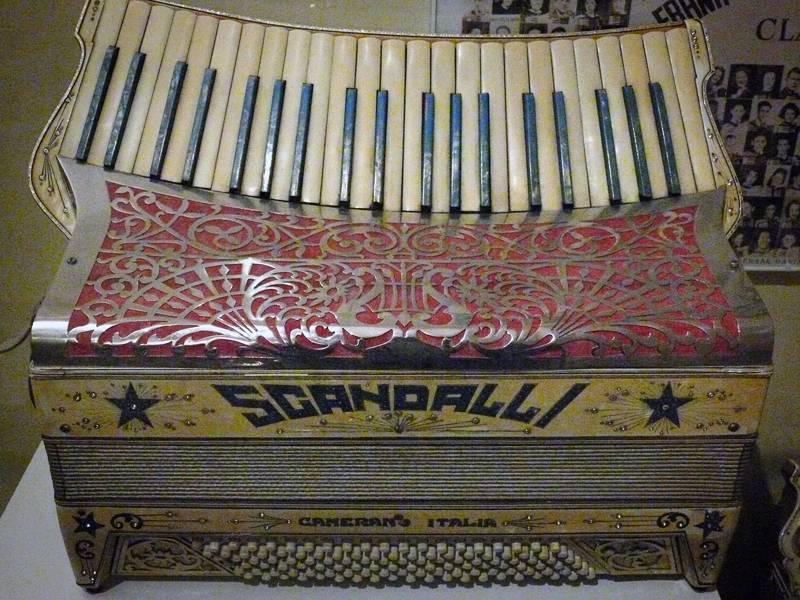
Some fantastic accordions were made during those golden years, many of them by hand in the Italian accordion towns around Castelfidardo. A good professional instrument from the 1950s or 60s, properly restored, can still sound wonderful and last for many more decades.
Germany was the other great accordion country. Hohner, in the Black Forest town of Trossingen, made accordions in enormous numbers for every level of player, from small student models to professional instruments. (If yours says Hohner, our guide to old Hohner accordions will help you work out which one you have.)
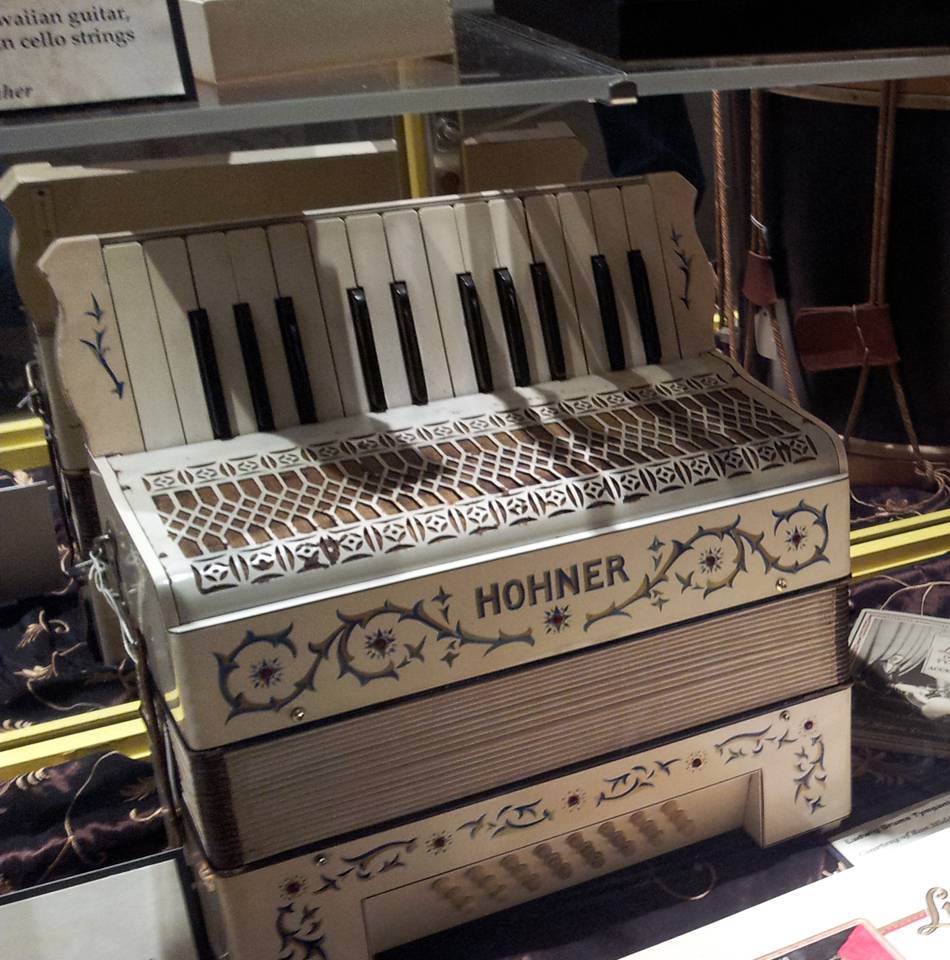
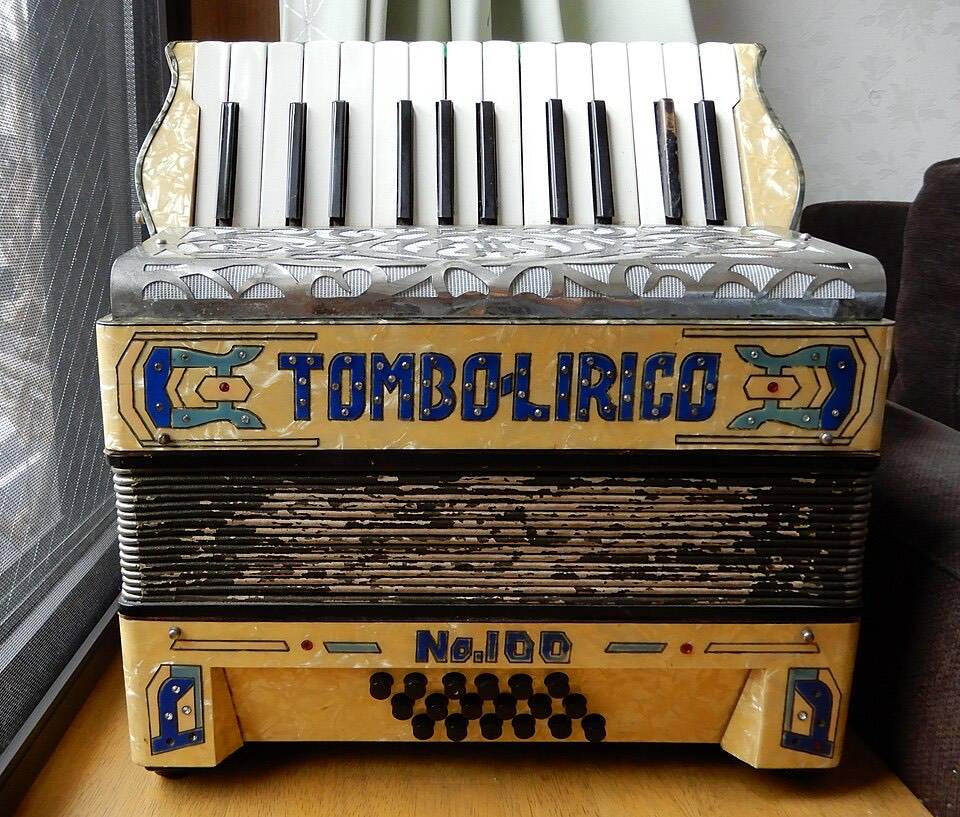
But most of the accordions sold to families back then were student models. They were built to a price, with cheaper reeds, lighter mechanisms and lots of decoration on the outside to look the part. Many of them were never very good, and after sixty years they're often not worth fixing. A pretty grille and shiny pearl keys tell you nothing about the inside.
And even an expensive instrument isn't safe from time. A top-quality accordion that hasn't been serviced in decades will almost certainly need work too. The difference is that it's worth doing.
What to bring
Bring your phone with a tuner app on it, and a small flashlight. If you know anyone who plays, even a little, bring them too. It's much easier to listen properly when someone else is pressing the keys.
And give yourself time. A seller who's in a hurry for you to decide is telling you something.
The bellows: does it hold air?
Start here, because a leak is the most common serious problem and the easiest one to find.
Put the accordion on and undo the bellows straps (the clasps that hold it shut). Now, without touching any keys, buttons or the air button, gently try to pull the bellows open, then push them closed. A healthy accordion will hardly move. It should feel like pulling on a sealed bag. If the bellows drift open or closed with nothing sounding, air is getting out somewhere.
Then look closely at the bellows themselves. The corners take the most wear, so check them for holes, tape or patches. If you can, dim the room and shine your flashlight into the folds from one side while you look from the other. Light coming through means a hole. Also check where the bellows meet the two ends of the instrument: there shouldn't be any gaps.
A small leak can often be patched cheaply. Bellows that are worn through in lots of places are a much bigger job.
The reeds: does every note speak?
Every note on an accordion comes from small metal reeds, held in place with wax and covered by little leather valves. As we said above, on an older instrument the wax dries out and the leather curls, and that's where most of the expensive problems live.
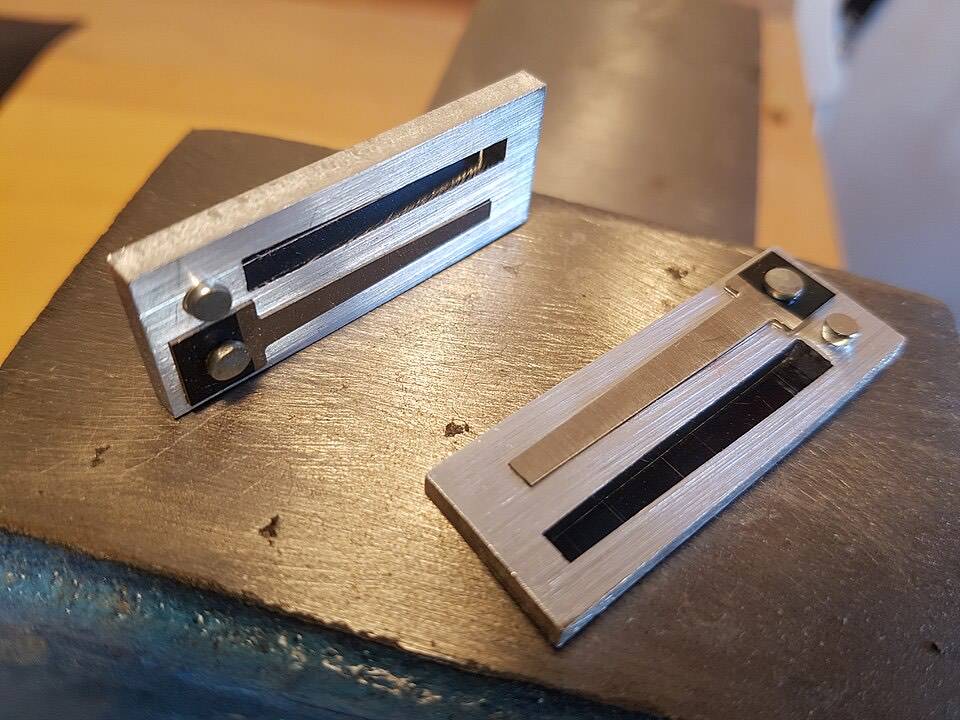
So be thorough. Pick the register that uses the most reeds (usually the switch with the most dots on it), then play every key slowly on the pull, and every key again on the push. Then try two or three other registers.
You're listening for notes that don't sound at all, or only sound in one direction. Notes that are slow to start, needing a push before they speak. Buzzing or rattling. And a little wheeze or pop when you change bellows direction, which usually means curled valve leathers. A note or two like this is normal on an old instrument. Lots of them means it needs real work.
Poco listens as you play and tells you when it's right. Opening soon.
Join the waitlistKeys and bass buttons
Press every treble key. They should all sit level, come straight back up, and not click or grind. A key that stays down or comes back slowly means the mechanism needs attention.
Then do the bass side, and really do all of it: every bass and every chord button, on the push and on the pull. It's tedious, but the bass mechanism is complicated and expensive to fix. Listen for buttons that stick, buttons that play the wrong note, and chords that sound like they're missing a note. (If you're new to the bass side, our guide to the bass buttons explains the layout.) While you're there, check that the C bass still has its little dimple or marking, so you can find it by feel.
Finally, click through every register switch. Each one should click in firmly and change the sound.
Tuning
Play a few notes against your tuner, ideally on a register that uses a single reed. Being slightly off here and there is normal. Notes that are badly off in different directions mean the whole instrument needs retuning, and that's many hours of a technician's time.
One thing that catches people out: if a register sounds wavy and shimmering, it may be on purpose. That's "musette" or "wet" tuning, where the reeds are deliberately set slightly apart to get that classic French and folk sound. Judge the tuning on the cleaner-sounding registers instead.
The body, straps and smell
Look for cracks in the body and grille, and anything loose. Worn shoulder straps are cheap to replace, but they tell you how much life the instrument has had.
Then use your nose. Work the bellows a few times and smell the air. A musty smell means the accordion has been stored somewhere damp, and damp means rust on the reeds and mould in the bellows. It's worth asking where it's been kept. Attics are bad because heat softens the reed wax. Basements are bad because of the damp.
The warning signs, at a glance
| What you notice | What it usually means | How big a fix |
|---|---|---|
| Bellows drift with no keys pressed | Leaking bellows, gaskets or valves | From a small patch to new bellows |
| Lots of silent or slow notes | Old wax, loose reeds, curled valves | Often a full overhaul |
| Buzzing or rattling notes | Loose reeds or something caught inside | Small to medium |
| Sticky or uneven keys | Worn or warped mechanism | Small to medium |
| Bass buttons sticking or wrong | Bass mechanism out of adjustment | Medium to large, needs a specialist |
| Notes badly out of tune | Needs a full retune | Large |
| Musty smell, rust | Stored somewhere damp | Can be large, and can come back |
What repairs cost
Prices vary a lot depending on where you live and the instrument. As a rough guide, a full overhaul of an older accordion (rewaxing the reeds, new valve leathers, bellows work and a retune) is slow, skilled work. It often runs from several hundred to well over a thousand dollars.
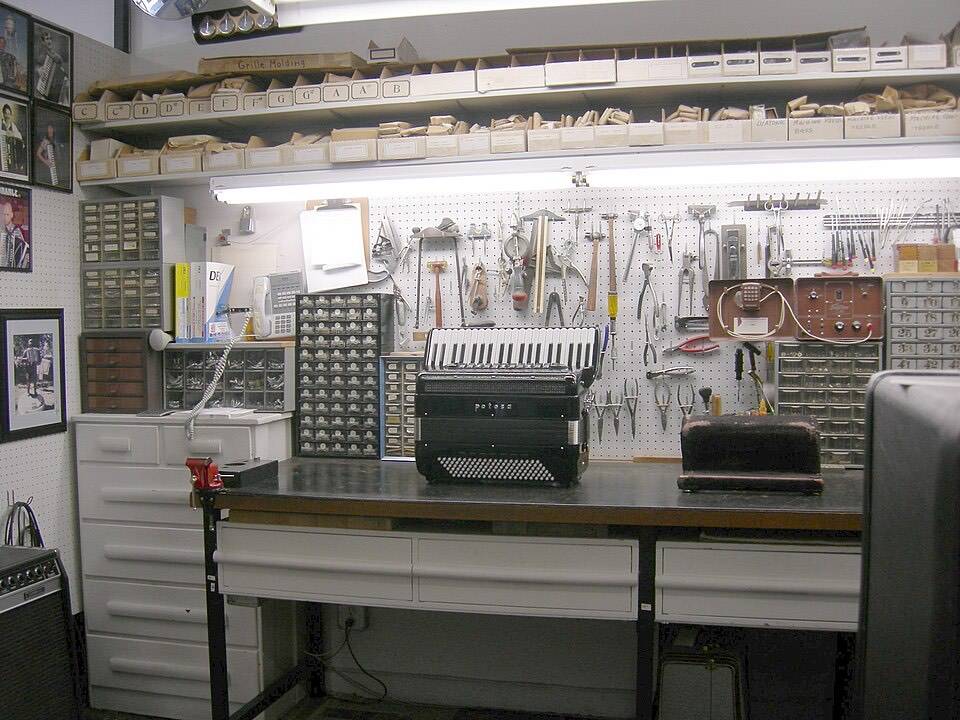
That changes the maths, and it's why the hundred-dollar Marketplace find is so often a trap. A cheap accordion that needs an overhaul can end up costing more than a good one that's already been serviced. On the other hand, a really well-made instrument that needs work can still be a great buy, because once it's done it'll last for decades. If you're unsure, ask a technician to look at it before you buy. Many will do it for a small fee, and it's money well spent.
Where to buy
A specialist dealer who services their own instruments is the safest place to buy. You'll usually get a warranty, and you can try several sizes side by side. Private sellers, including Marketplace and yard sales, are often cheaper, but that's where this checklist earns its keep, so play the instrument yourself. If the seller doesn't play and can't tell you anything about it, assume it hasn't been serviced since it went into storage.
We'd be careful with online auctions and marketplaces when you can't play the accordion first. Accordions don't like being shipped. They get knocked around, and the heat in a delivery van can loosen the reed wax. If you do buy online, ask for a video of every key and button being played on both push and pull, and make sure you can send it back.
What to ask the seller
It's worth asking when the accordion was last serviced or tuned, and who did it. Ask where it's been stored, whether the bellows or reeds have ever been repaired, and why they're selling. And ask if you can play every key and button before you decide. A seller with a good instrument won't mind.
Make sure it fits you
Even a perfect accordion is the wrong buy if it's too big or too heavy for you. If you're not sure what size you need, have a look at what size accordion should I buy. And if you're still deciding between keys and buttons, piano accordion vs button accordion explains the difference.
Happy hunting. Take your time, play everything, and the right accordion will turn up.
Ask a question
Stuck on something in this guide, or want to know more? Ask us. We read every question, and answer the most useful ones right here on the page.
Poco is your complete accordion teacher. It shows you every step, listens as you play and tells you when it's right. Poco opens soon: join the waitlist and be among the first to play.
Join the waitlist